Comprehensive System Tracking: 600000000, 848980725, 8664695427, 8334313079, 7204990352, 620242357
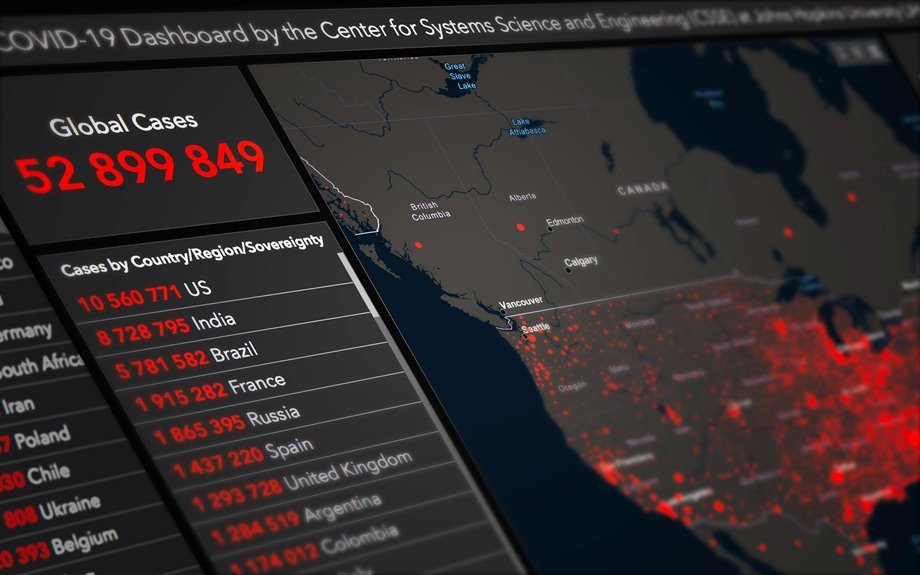
Comprehensive system tracking is increasingly recognized as a fundamental component for operational efficiency in modern businesses. It facilitates real-time monitoring of critical metrics, such as inventory and resource allocation. The integration of advanced technologies, including AI and data analytics, enhances transparency and decision-making. As various industries adopt these systems, they often encounter unforeseen challenges and opportunities. Exploring these dynamics reveals the complexities and potential of comprehensive tracking solutions.
Benefits of Comprehensive System Tracking
Comprehensive system tracking enhances operational efficiency by providing organizations with real-time insights into their processes.
This approach fosters data accuracy, allowing decision-makers to pinpoint inefficiencies and adapt strategies swiftly.
By leveraging timely information, organizations can optimize resource allocation and enhance productivity.
Ultimately, comprehensive tracking empowers businesses to maintain autonomy, enabling them to navigate market dynamics with confidence and agility.
Key Features of Tracking Systems
While various tracking systems may differ in functionality, several key features are essential for their effectiveness across diverse industries.
Real-time monitoring enables immediate visibility into operations, fostering timely decision-making.
Additionally, data integration facilitates seamless communication among various platforms, ensuring comprehensive analysis and reporting.
Together, these features enhance operational efficiency, providing users with the freedom to respond proactively to evolving circumstances.
Applications Across Industries
Numerous industries are leveraging tracking systems to enhance operational efficiency and improve decision-making processes.
In healthcare logistics, these systems ensure timely deliveries of critical supplies, reducing waste and ensuring patient safety.
Similarly, in the supply chain sector, tracking technology optimizes inventory management, facilitates real-time data analysis, and enhances transparency, leading to streamlined operations and better resource allocation across various industries.
Future of Tracking Technology
How will advancements in technology shape the future of tracking systems?
AI advancements will enhance real-time monitoring and data analytics, improving integration capabilities across platforms.
However, as these systems evolve, privacy concerns will intensify, necessitating a balance between user experience and data security.
The challenge lies in leveraging technology to foster freedom while ensuring responsible tracking practices that respect individual rights.
Conclusion
In conclusion, comprehensive system tracking stands as a beacon of efficiency in the modern business landscape, illuminating pathways to enhanced decision-making and operational agility. By harnessing advanced technologies, organizations can not only optimize resource management but also foster a culture of transparency and accountability. As industries continue to evolve, the adoption of these innovative tracking solutions will undoubtedly transform challenges into opportunities, paving the way for sustainable growth and significant cost savings.